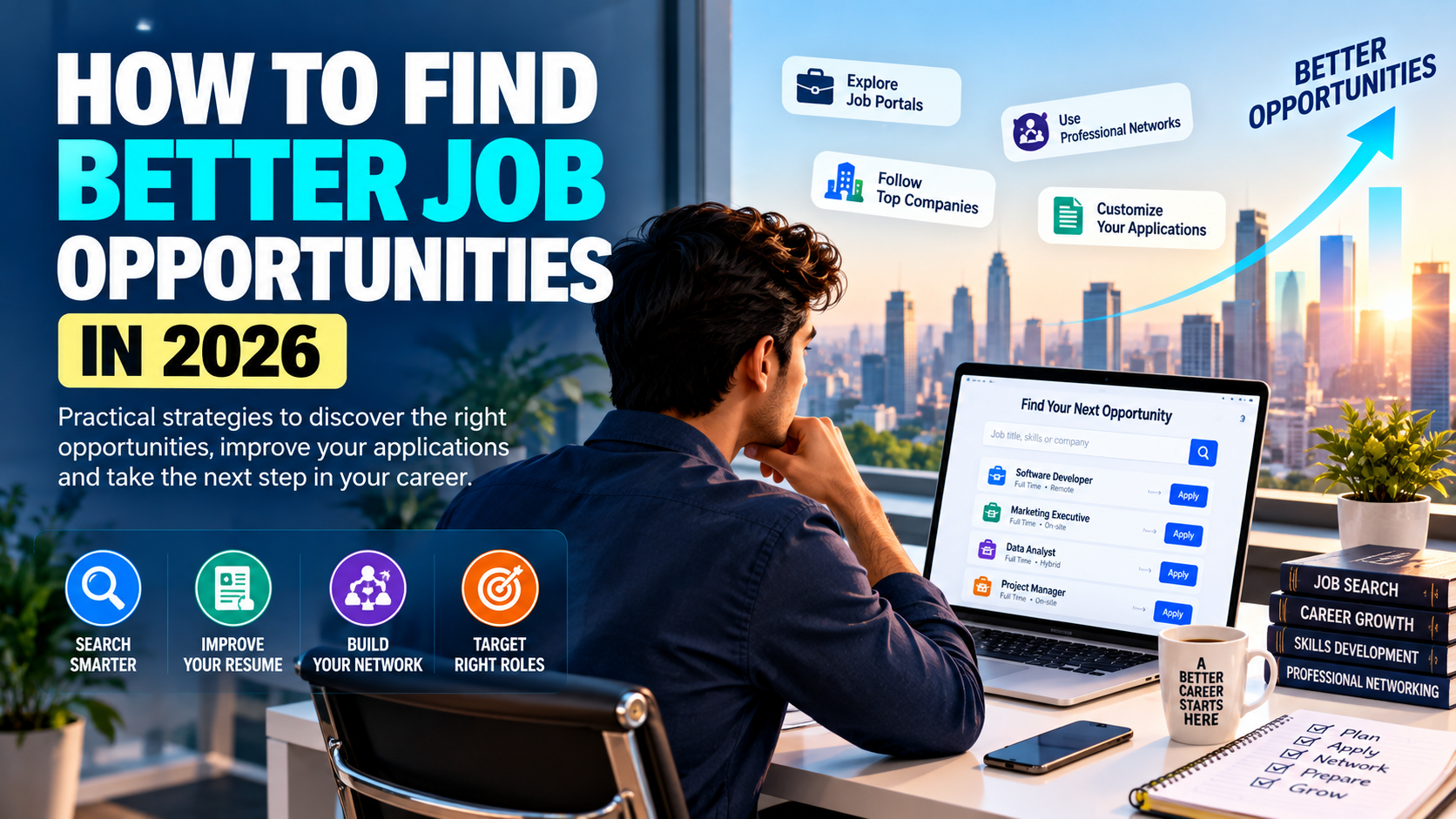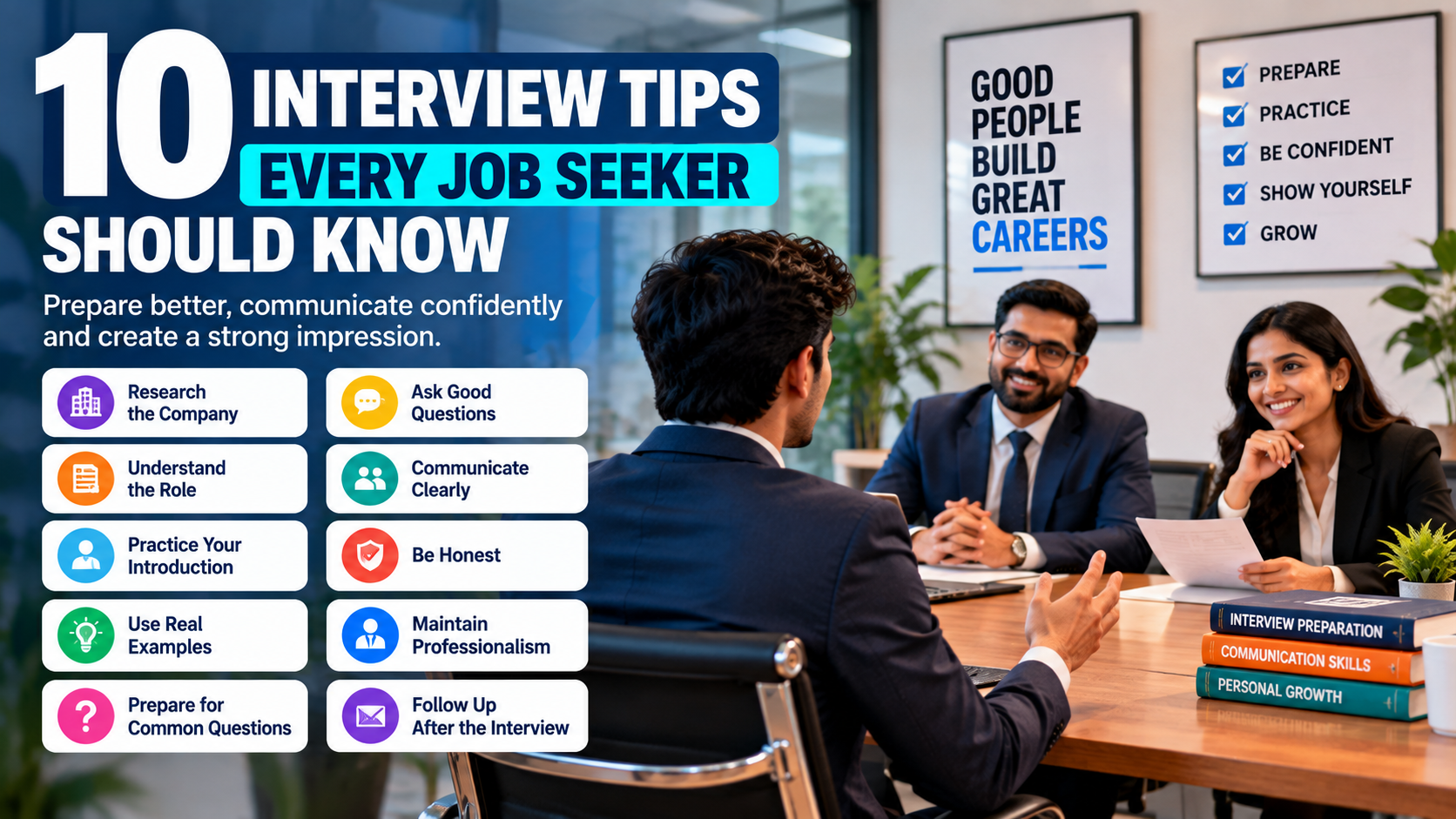
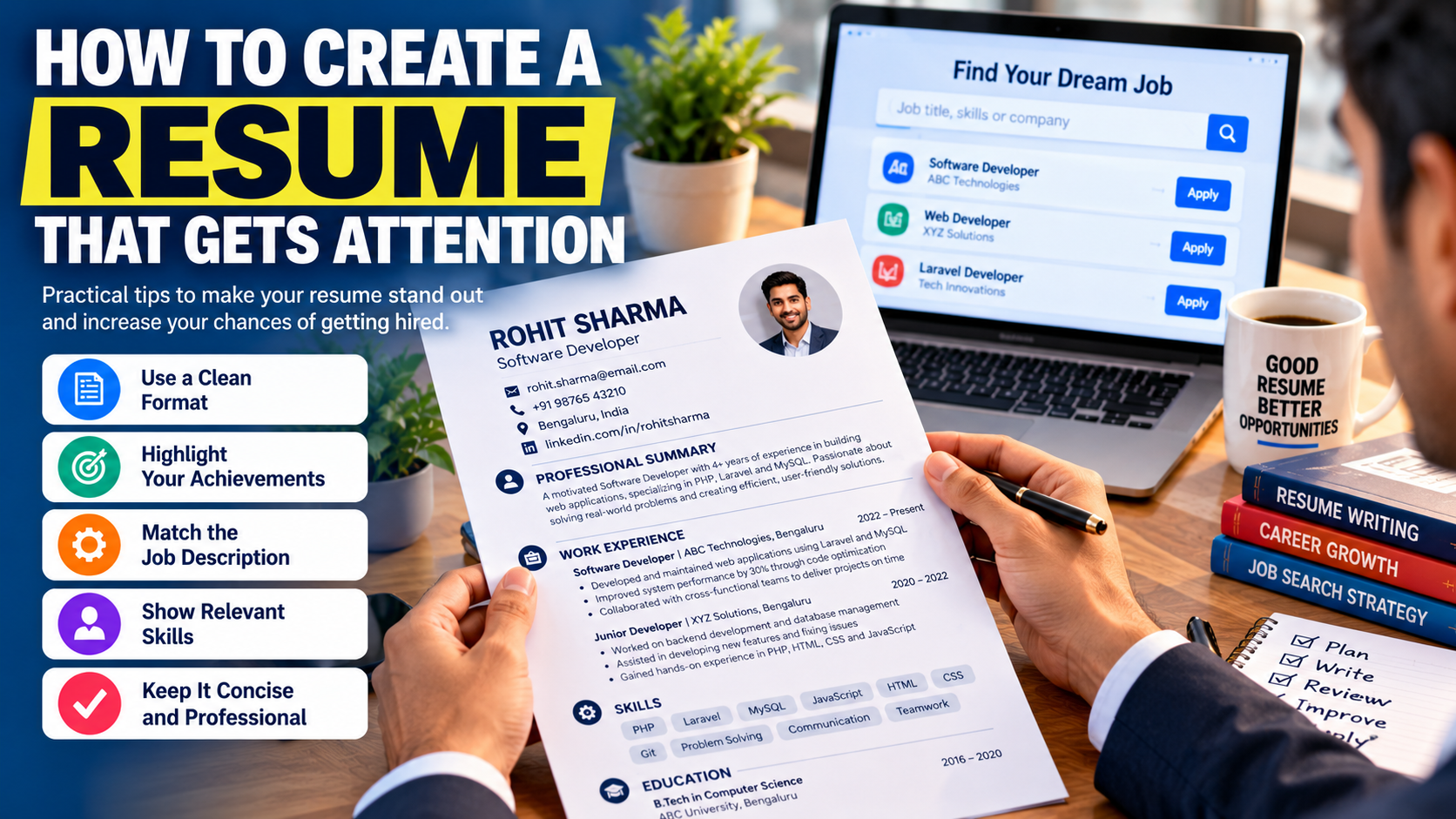
Your resume is often the first professional document an employer sees. Because recruiters may review many applications for the same position, your resume needs to communicate the most important information quickly and clearly. A strong resume is not necessarily the longest one. It is the one that makes your relevant experience easy to understand.
Start with a clear professional summary. Use a few sentences to explain your experience, strongest skills and career direction. Avoid vague statements that could apply to anyone. Instead, focus on what makes your professional profile relevant to the type of role you are targeting.
Keep the Structure Simple
Use clear sections such as professional summary, work experience, education, skills and certifications. Consistent formatting makes the document easier to scan. Use readable fonts, appropriate spacing and clear headings.
Focus on Achievements
One of the most important improvements you can make is changing responsibility-based statements into achievement-based statements. Instead of simply saying that you managed a project, explain what the project achieved, how you contributed and what measurable result was produced.
Match the Job Description
Different jobs require different skills. Before submitting your resume, review the job description and identify important keywords and requirements. Make sure your experience and skills that genuinely match the position are easy to find in your resume.
Remove Unnecessary Information
A resume should focus on information that supports your professional application. Avoid adding excessive personal details, outdated experiences that are not relevant or long paragraphs that make the document difficult to scan.
Show Relevant Skills
Include technical and professional skills that are relevant to your target role. If you mention a skill, be prepared to discuss how you have used it. Skills are more convincing when they are supported by examples from your professional experience.
Check Every Detail
Spelling mistakes, incorrect dates and inconsistent formatting can create a negative impression. Review your resume carefully before sending it. It can also help to ask another person to review it because they may notice issues that you overlook.
Keep It Updated
Your resume should evolve with your career. Whenever you complete a major project, learn a new skill or achieve an important result, update your resume. Keeping it current makes future job applications much easier.
A great resume does not need complicated design or excessive information. It needs clarity, relevance and evidence of your capabilities. Focus on achievements, tailor your application to the role and make the most important information easy to find. A well-structured resume can help recruiters quickly understand the value you can bring to an organization.
Category
Resume & CV